




Ceramic fiber materials can be considered in refractory insulation layouts where the required form and installation conditions are clearly defined. Selection should start with the role of the insulation: exposed lining, backup insulation, a joint or a shaped interface.
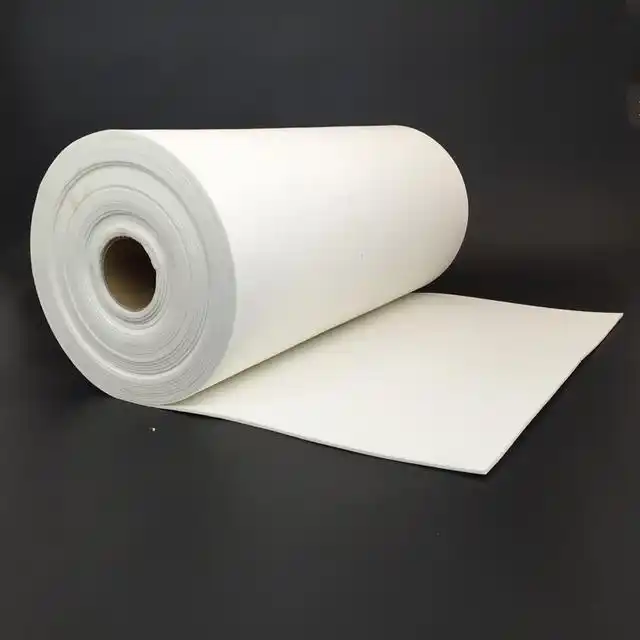
Select the form around the installation
Flexible insulation and a rigid shaped part serve different assembly needs. A shaped component requires a profile drawing, support arrangement and a description of the surfaces exposed to heat or flow. Specify how it joins adjacent insulation and how it will be handled during installation.
Read temperature descriptions carefully
A classification temperature is not automatically a continuous operating limit for every installation. Morgan’s fiber shapes and boards datasheet illustrates the distinction between classification and application-dependent use conditions. Its values and named material apply to that product, not to an unspecified NORKE component.
Ask for the material and installation information
- Fiber type, binder or treatment where relevant to the requirement.
- Temperature profile, atmosphere and exposure to flame or flow.
- Required dimensional stability and installation acceptance checks.
- Safety data and handling, installation and disposal instructions for the proposed material.
Specify a replacement with context
Provide the existing layout and reason for replacement, including shrinkage, contact damage or fit problems if observed. Use the ceramic fiber refractory shapes page to prepare a drawing-based enquiry, or contact NORKE with the installation requirements.