






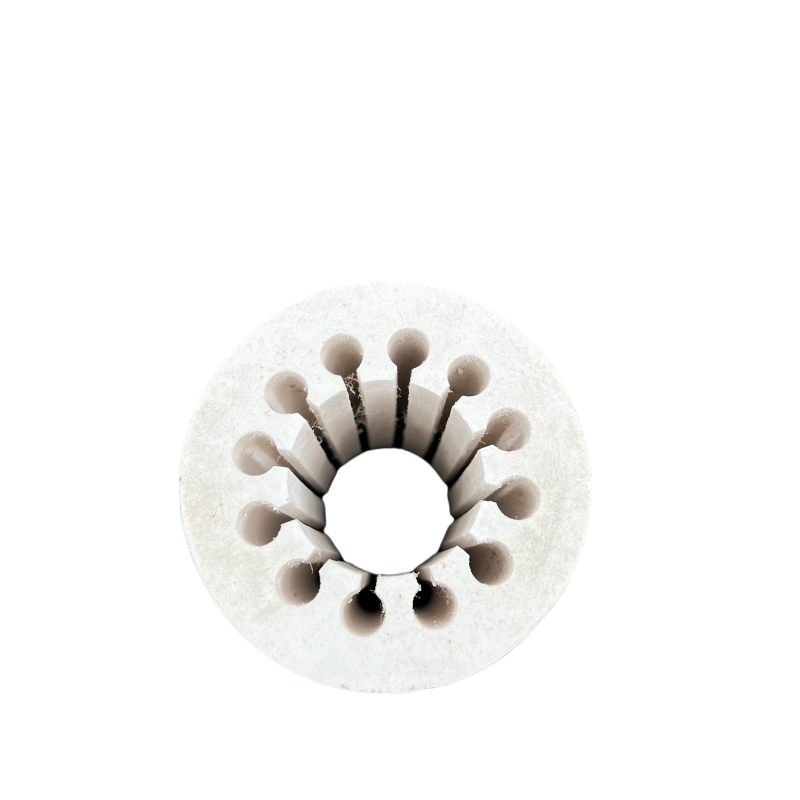
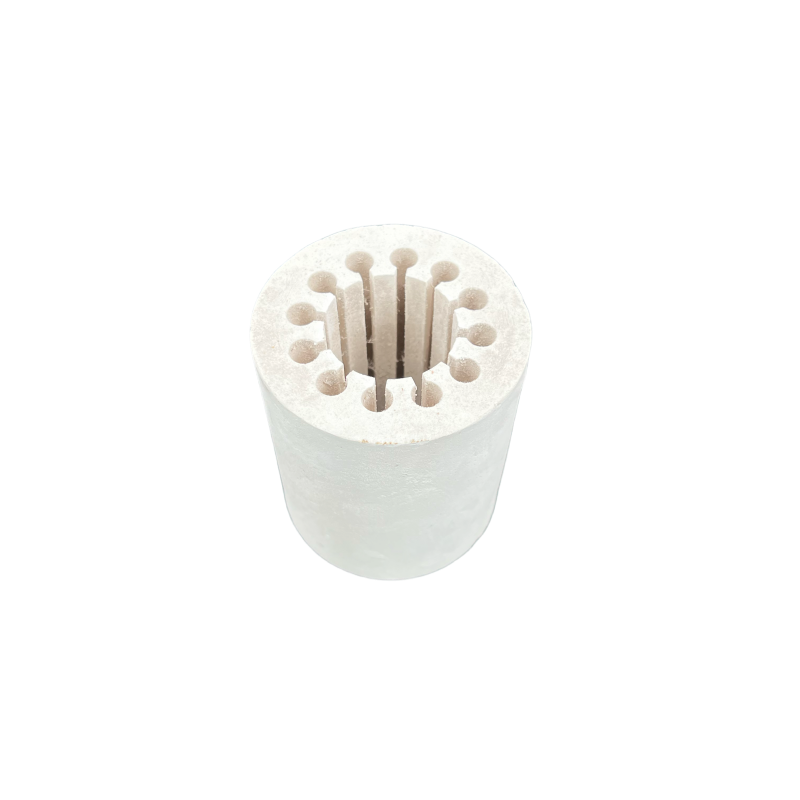

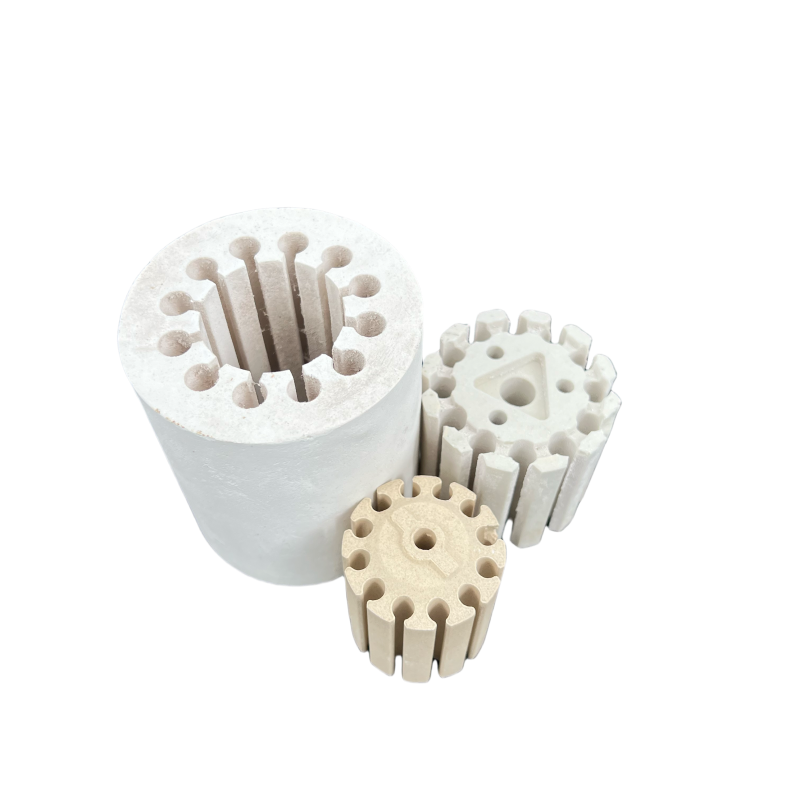
High Temperature Ceramic Fiber Special Shaped Product Refractory
-
製品の特徴と概要
Electrothermal ceramics are specialized ceramic materials that efficiently convert electrical energy into thermal energy, characterized by high temperature resistance, corrosion resistance, and long lifespan.
今すぐお問い合わせください
- shx@norkeceramics.com
-
製品説明
Electrothermal Ceramics
Electrothermal ceramics are specialized ceramic materials that efficiently convert electrical energy into thermal energy, characterized by high temperature resistance, corrosion resistance, and long lifespan.
Common Types
- PTC Ceramics (Positive Temperature Coefficient Ceramics):
- Resistance increases sharply with rising temperature, offering self-regulating temperature control (e.g., barium titanate-based ceramics). Commonly used in constant-temperature heaters and electric warmers.
- NTC Ceramics (Negative Temperature Coefficient Ceramics):
- Resistance decreases with rising temperature. Primarily used in temperature sensors or current limiters.
- Other Materials:
- Silicon Carbide (SiC): High temperature resistance (up to 1600°C), used in industrial electric furnaces.
- Molybdenum Disilicide (MoSi₂): Strong oxidation resistance, suitable for high-temperature environments.
Manufacturing Process
- Raw Material Preparation: High-purity oxide (e.g., Al₂O₃, ZrO₂) or non-oxide (e.g., SiC) powders.
- Forming: Dry pressing, injection molding, or tape casting.
- Sintering: High-temperature sintering (1200-1800°C) to form a dense structure.
Advantages and Disadvantages
Advantages:
- Long lifespan (far exceeding metal heating wires).
- Corrosion and oxidation resistance.
- PTC ceramics enable automatic temperature control, enhancing safety.
Disadvantages:
- High brittleness, poor resistance to mechanical shock.
- Some materials have high costs.
- PTC Ceramics (Positive Temperature Coefficient Ceramics):
NORKEの高精度
当社は高度なセラミックス分野で10年以上の経験を持ち、OEMおよびカスタムセラミック部品を専門としています。迅速な試作、安定した大量供給、設計から納品までのフルサポートを提供します。製品は国際品質基準に準拠し、欧州、北米、アジアのクライアントにサービスを提供しています。.
お客様が興味を持たれる可能性のある商品をおすすめします
関連製品
-
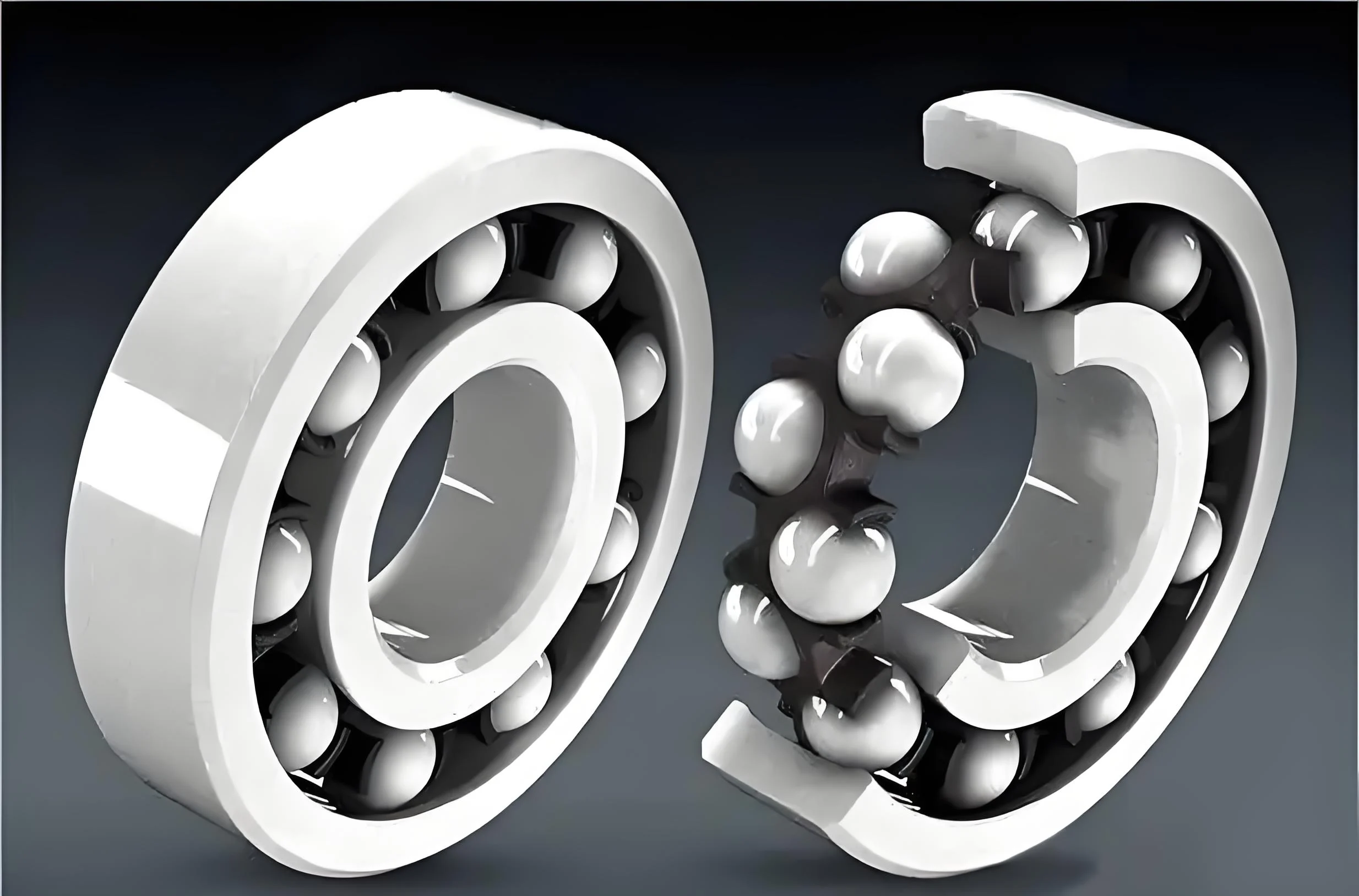
ジルコニアセラミックベアリング - プレミアムZrO2ボールベアリング
- すべてのサイズはカスタマイズ可能です。.
- 高精度、高厚み精度。.
- 必要に応じて助言を提供する。.
-

コーディエライト窯用支え具 | 高温用コーディエライトセラミック焼成支え具サプライヤー
- すべてのサイズはカスタマイズ可能です。.
- 高精度、高厚み精度。.
- 必要に応じて助言を提供する。.
-
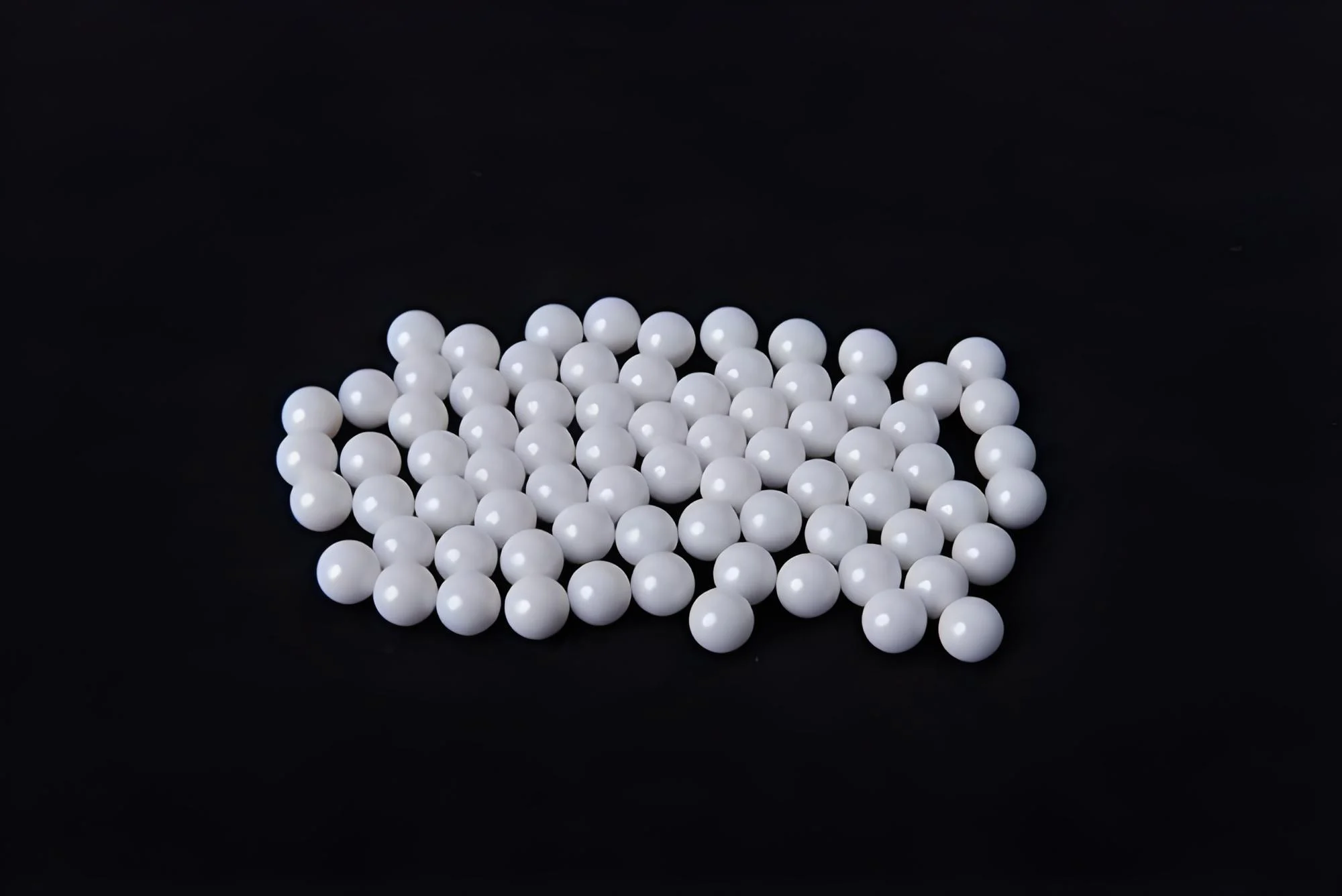
ジルコニアセラミックボール|YSZ研削媒体&精密ZrO2ベアリングボールサプライヤー
- すべてのサイズはカスタマイズ可能です。.
- 高精度、高厚み精度。.
- 必要に応じて助言を提供する。.
-

中国製工業用セラミックノズル
- すべてのサイズはカスタマイズ可能です。.
- 高精度、高厚み精度。.
- 必要に応じて助言を提供する。.
-

High-Temperature Cordierite Ceramic Sheets & Far-Infrared Honeycomb Panels | Custom Refractory Heat Exchange Ceramic Plates
- すべてのサイズはカスタマイズ可能です。.
- 高精度、高厚み精度。.
- 必要に応じて助言を提供する。.
-
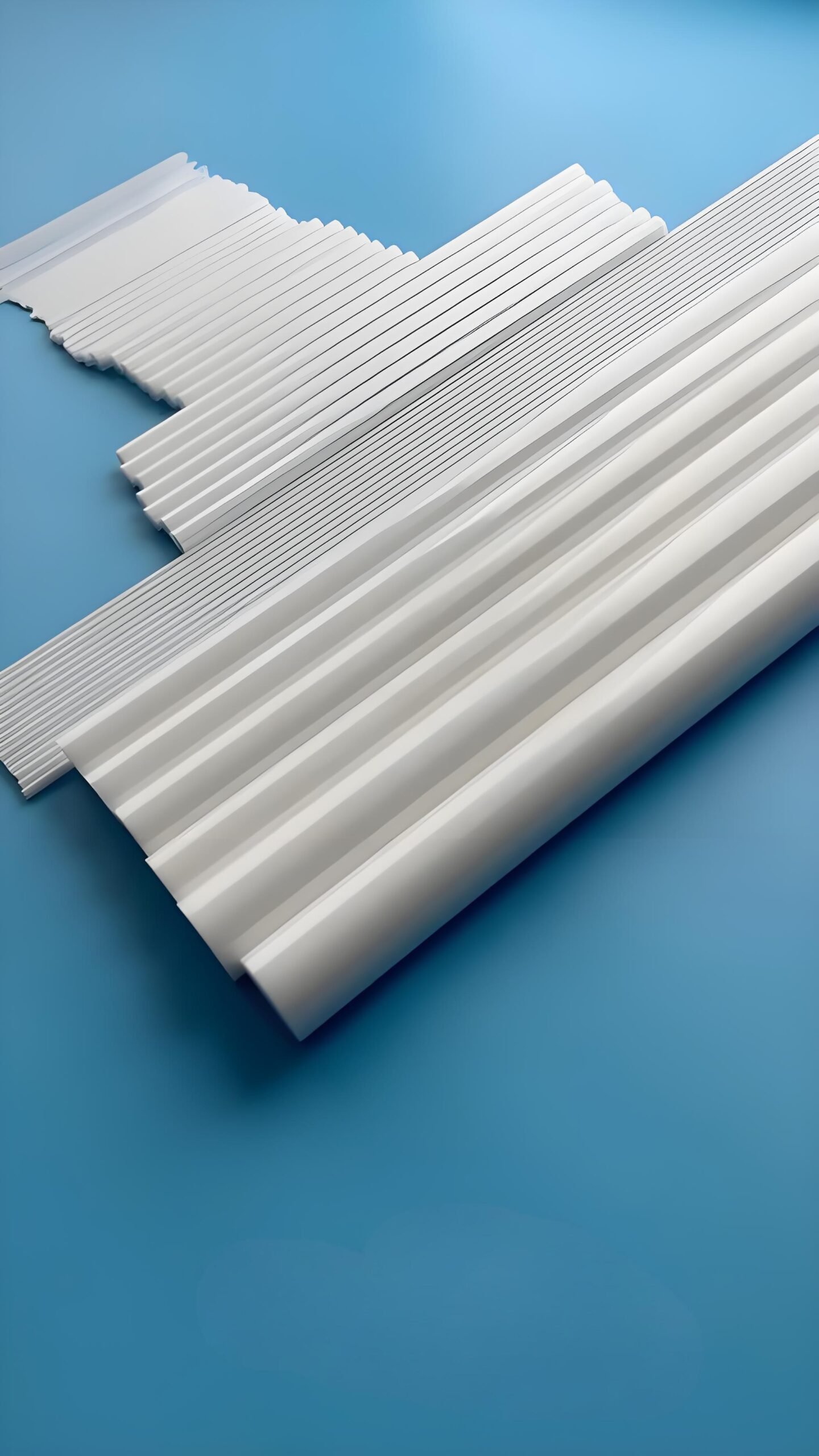
工業用グレードのイットリア安定化ジルコニア(YSZ)セラミックシリンダー|精密ZrO₂耐摩耗部品メーカー
- すべてのサイズはカスタマイズ可能です。.
- 高精度、高厚み精度。.
- 必要に応じて助言を提供する。.
-
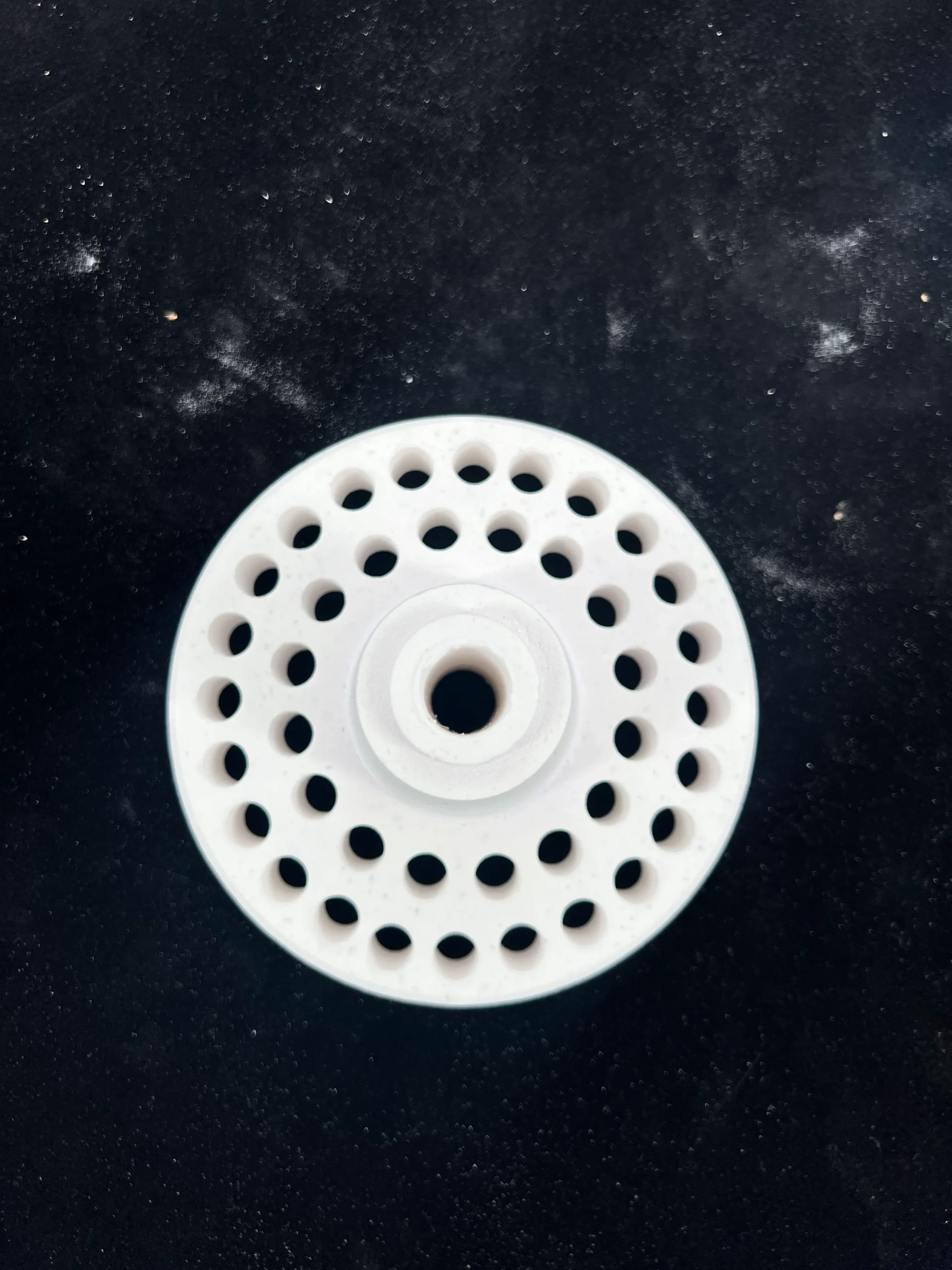
工業用コーディエライト多孔質電気加熱セラミックディスク
- すべてのサイズはカスタマイズ可能です。.
- 高精度、高厚み精度。.
- 必要に応じて助言を提供する。.
-

Cordierite Ceramic Support Disc | High-Temperature Electrical Insulating Component | OEM Supply
- すべてのサイズはカスタマイズ可能です。.
- 高精度、高厚み精度。.
- 必要に応じて助言を提供する。.